






Ibogaine has had a remarkable run of political and cultural momentum over the past two years. Texas has committed tens of millions of dollars to clinical research. Veterans’ advocacy groups have turned the drug into a bipartisan talking point. And a wave of personal accounts, from combat veterans to addiction patients, has made the case that ibogaine can do something most existing treatments can’t: meaningfully interrupt severe substance use disorders, sometimes after a single dose.
But a less comfortable storyline has been building alongside that momentum, and it deserves equal attention from an industry that wants ibogaine to become real medicine rather than a permanent medical-tourism workaround.
The oversight problem hiding in plain sight
Recent reporting in the New York Times, has documented a string of serious adverse events at overseas psychedelic clinics such as cardiac deaths, treatment-related fatalities, and patients who were never adequately screened for the health conditions that make ibogaine dangerous in the first place. There’s no central registry tracking these outcomes, which means the industry is operating with an incomplete picture of its own risk profile. What reporting has surfaced is enough to suggest the problem isn’t rare or isolated: inconsistent medical screening, staff distributing medications without regard to a patient’s history, and facilities operating with little external oversight.
None of this contradicts the underlying signal on ibogaine’s therapeutic potential. It does, however, expose the central tension the industry has mostly avoided naming directly: ibogaine’s most serious liabilities, QT prolongation and the risk of dangerous cardiac arrhythmias, are not incidental complications of bad clinic practices. They’re pharmacological properties of the molecule itself. You can improve screening, improve monitoring, and improve aftercare, and you will still be administering a drug with a documented risk of causing fatal heart rhythm abnormalities, in a setting that by definition sits outside U.S. regulatory infrastructure because ibogaine remains a Schedule I substance domestically.
Two different bets on where this goes next
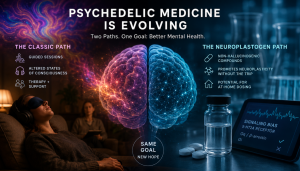
Broadly, the industry’s response to this tension has split into two bets.
The first bet is that the path forward is making ibogaine itself safer to administer — better cardiac screening protocols, on-site monitoring equipment, shorter or modified dosing regimens, and eventually a regulated clinical pathway in the U.S. (Texas’s state-funded research consortium is the clearest expression of this bet, and it’s a serious, well-resourced effort.) This is the “better administration” strategy: keep the molecule, engineer a safer container around it.
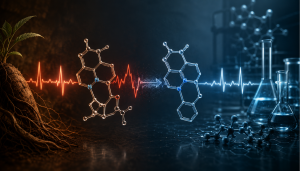
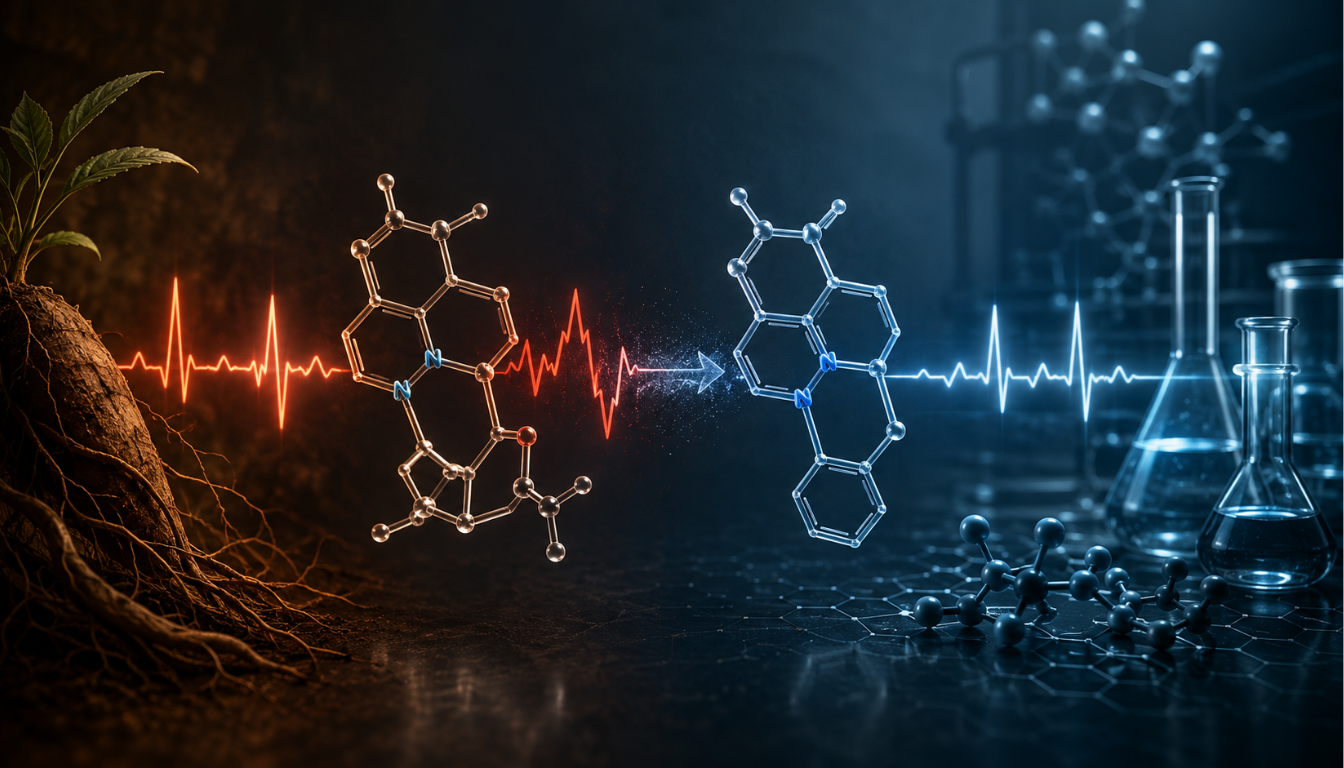
The second bet is smaller, quieter, and further from the spotlight: that ibogaine’s therapeutic mechanism can be captured in a different molecule altogether. One engineered from the start to avoid the cardiac liability rather than manage around it, and to shorten or eliminate the extended hallucinogenic experience that currently requires a 10+ hour supervised procedure.
Equulus Therapeutics is one of the companies pursuing that second bet. Its lead program, EQL-101, is a next-generation compound inspired by ibogaine’s pharmacology but designed with a different objective from the outset: deliver the craving- and withdrawal-reducing effects without requiring patients to undergo either the cardiac risk profile or the severe psychoactive burden associated with ibogaine itself. If it works, the resulting treatment model looks less like a multi-day supervised psychedelic procedure at a clinic abroad, and more like a conventional pharmaceutical that could be prescribed and monitored within the existing U.S. healthcare system.
Why this matters beyond one company’s pipeline
It’s worth being clear-eyed about what stage this kind of program is at: next-generation, ibogaine-inspired compounds are early, unproven, and will need to clear the same rigorous safety and efficacy bar as any other CNS drug candidate. Nothing about “no hallucinogenic burden” or “improved cardiac profile” is guaranteed until the clinical data exists to back it up.
But the strategic question EQL-101 represents is worth sitting with regardless of how any single program performs: is the industry’s long-term goal to build an increasingly sophisticated system for safely administering a Schedule I hallucinogen with real cardiac risk — or to use what ibogaine has taught us about addiction pharmacology to build a fundamentally safer medicine?
Those two goals aren’t in conflict, and framing them as competing bets probably undersells how complementary they are. The growing body of ibogaine evidence — clinical, anecdotal, and political — is precisely what’s making the second bet possible. Every data point suggesting ibogaine meaningfully reduces craving and withdrawal is also a data point suggesting the underlying mechanism is worth chasing in a molecule that doesn’t carry ibogaine’s baggage.
The reporting on overseas clinic risk isn’t an indictment of ibogaine’s promise. It’s a reminder of what happens when a treatment with real potential outruns the regulatory and safety infrastructure meant to support it. The industry’s next real test isn’t proving that ibogaine works — that case is increasingly being made. It’s proving that the next generation of treatments inspired by it can get to patients without asking them to fly to an unregulated clinic and gamble on their heart rhythm to get there.
