


The legalization and destigmatization of psychedelics are being increasingly encouraged and supported, especially by the community of war veterans, with studies and personal reports of their therapeutic effects on PTSD patients. But how did everything start, why are these substances different from current treatments, and will they become a new solution for PTSD?
A look at PTSD and current treatments
When someone experiences a traumatic event like physical assaults or abuse, serious accidents, war, bereavement, or has a family history of psychiatric disorders, they have a higher risk of developing PTSD (Post-traumatic Stress Disorder). This is a mental health condition affecting around 6% to 9% of American and Canadian adults.
The symptoms include flashbacks of the traumatic event, intrusive negative thoughts and ruminations, depression, frequent nightmares and intense anxiety. Ex-soldiers and military veterans, in particular, have an incredibly high prevalence of PTSD, with certain conflicts causing 30% of veterans to be affected. Current treatments for PTSD include cognitive behavioural and other kinds of therapies, sometimes combined with antidepressants such as SSRIs.

However, these approaches do not always work, with SSRIs bringing beneficial effects to just half the patients, while other medications such as benzodiazepines (used to treat anxiety) can actually worsen the symptoms. The first case is not surprising, as treatment-resistant depression patients are often “immune” to SSRIs or have to drop out due to the possible adverse effects.
As for depression, psychedelic therapy seems to represent an attractive approach for the treatment of PTSD, upstaging the current medications and even classical therapies like CBT (which was shown to work inefficiently on a significant group of patients, mostly veterans affected by PTSD).
The mechanism behind this? It’s a matter of networks
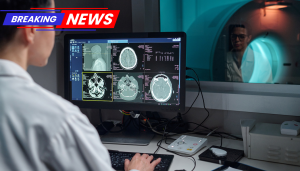
Evidence from brain imaging studies suggests that the traumatic event at the roots of the condition, often helped by a genetic predisposition to the disorder, triggers structural changes in some brain networks, among which the Default Mode Network, which plays a major role in depressive states.
Brain structures such as the amygdala, the hippocampus and the cingulate cortex are part of such altered networks, which involve main neurotransmitters such as serotonin, dopamine and glutamate. In a domino-effect fashion, the altered networks affect the nervous system and alter hormonal levels by acting on the endocrine system. As a result, brain regions controlling emotions, such as the amygdala, become overactivated and have an increased response to negative stimuli or make them more subjective and personal than they actually are.
Psychedelic-assisted psychotherapy is thought to act on these network changes and on the brain regions mentioned. For example, MDMA (“ecstasy”), used in conjunction with psychotherapy, was shown
to reduce fear and negative moods related to bad memories by decreasing amygdala activity.
Old vs recent studies of psychedelics for PTSD
Although most pre-clinical and clinical studies on psychedelics for PTSD patients were conducted in the last few years, the origin of this approach dates back to the 1960s, when the psychotherapist Jan Bastiaans started administering LSD and psilocybin to individuals suffering from the “concentration camp syndrome”, a specific type of PTSD affecting holocaust survivors.
According to the researcher, these substances had the ability to “liberate them”. Unfortunately, this method was considered dangerous by other psychiatrists, not to mention the laws and regulations banning psychedelics in the 1970s, which led psychedelic research to being almost completely abandoned.

However, in the last decades, psychedelic research expanded for the treatment of various mental health conditions, including depression, bipolar disorder, as well as PTSD. Various psychedelics, including LSD, psilocybin, ketamine, DMT and cannabinoids are being investigated as medications for PTSD, but so far only MDMA is close to becoming a certified and approved treatment for this condition.
Numerous preclinical studies and reports by MDMA users, mostly veterans, support the therapeutic potential of MDMA-assisted therapy for PTSD. This approach is now being explored in depth through clinical trials, among which the exciting phase III study conducted by MAPS. In the first part of the study, 90 PTSD patients had three sessions with MDMA spread over three weeks with the support of a therapist during and after the psychedelic experience.

As the figure shows, MDMA was well tolerated in terms of safety and MDMA-assisted psychotherapy is more effective than placebo in patients with severe PTSD, where CAPS-5 was used to assess PTSD severity. If the results from the upcoming second part of the Phase 3 study will be as promising as the first one, MDMA will very probably be the first psychedelic to be approved by the FDA, inaugurating a new era of psychotherapy research.
The community of veterans worldwide, now at the forefront of drug policy for psychedelics legalisation, is fighting to win this off-the-field battle, with a confident determination that seems to state: “It’s just a matter of time”.
